AI Automation
AI at Work: A Practical Guide to Automation for Growing Businesses
Where AI automation actually pays off for small and mid-sized businesses, how to spot your first workflow, and what it takes to get one running.
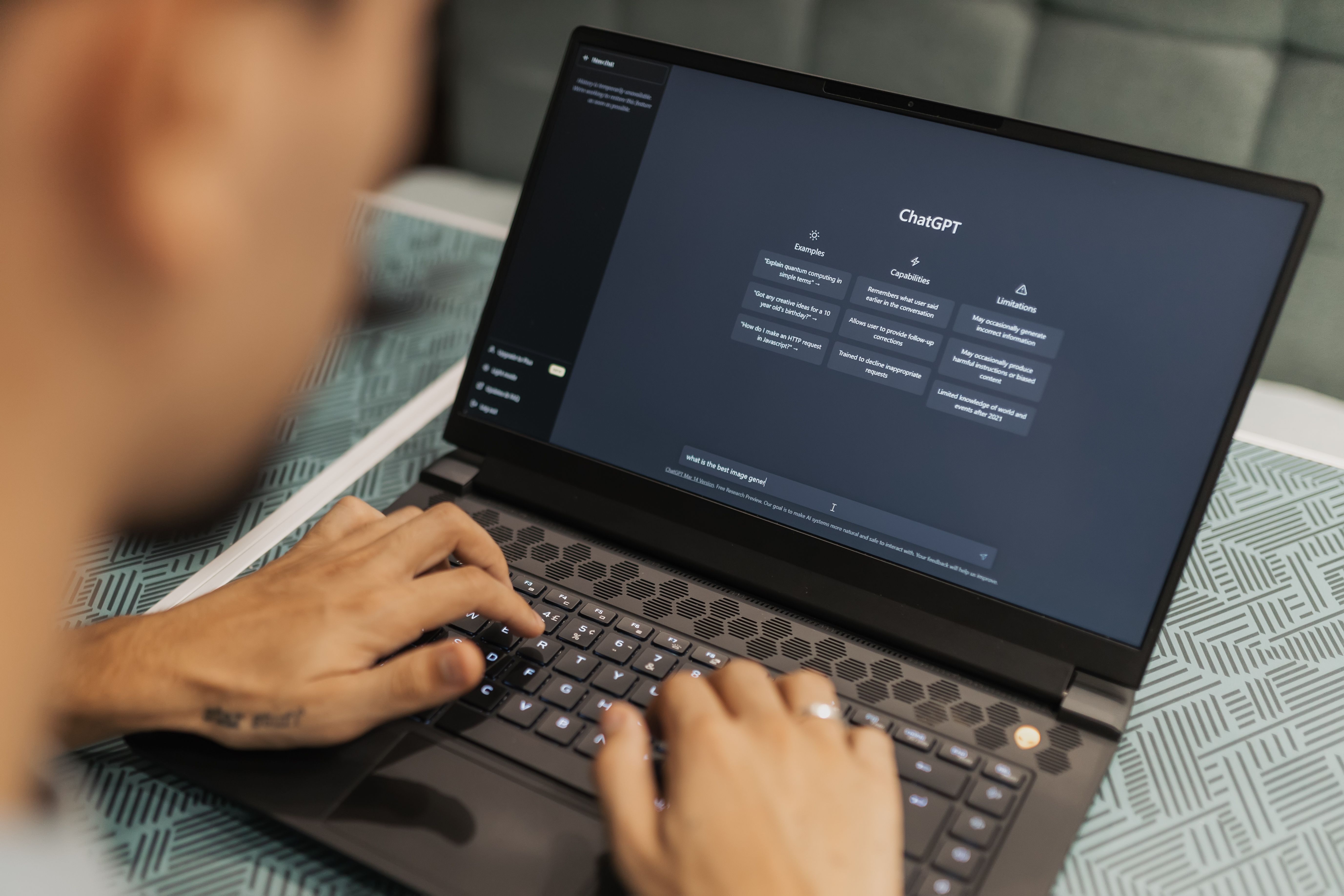
Every business runs on repetitive work: copying data between tools, sorting invoices, answering the same customer questions, moving files from one folder to another. None of it grows the company, but all of it eats the week. This is exactly where AI automation for business earns its keep, not by replacing people, but by handing the dull, rule-based parts of the day to software that never gets tired.
This guide is a practical look at what that means in reality, where it pays off first, and how a small team can get a first automation running without a big IT project.
What "AI at work" actually means
Forget the science fiction. In a normal business, AI at work usually looks like a quiet background process: an email arrives, an AI reads it, pulls out the important details, updates your system, and drafts a reply for someone to approve. Tools like ChatGPT and Claude made the "reading and understanding" part cheap and reliable, and platforms like n8n let you connect that intelligence to the apps you already use.
The result is less a robot and more a very fast, very literal assistant that handles the first 80% of a task so your team only touches the 20% that needs judgement.
Where AI automation pays off first
You do not need to automate everything. The wins that matter almost always sit in the same few places:
Document handling — reading invoices, contracts, and forms, then extracting the numbers and details into your accounting or CRM system.
Customer replies — drafting answers to common questions, sorting incoming messages, and routing the tricky ones to a human.
Data entry — moving information between tools that do not talk to each other, without the copy-paste errors.
Reporting — pulling numbers from several sources into one clean summary every week, automatically.
If a task is repetitive, rule-based, and happens often, it is a candidate. If it needs empathy, negotiation, or a real decision, keep a person in the loop and let the AI do the prep.
A simple way to spot your first automation
Before buying any tool, run your tasks through three questions:
Does it repeat? Daily or weekly beats once a quarter.
Does it follow rules? "If the invoice is from this supplier, file it here" automates well. "Decide whether to fire a client" does not.
Does the volume hurt? Ten minutes a day is 40+ hours a year. That is where automation quietly pays for itself.
The best first automation is boring, frequent, and universally disliked by your team. Start there and the value is obvious to everyone within a week.
A useful rule of thumb: if someone on your team could write down the steps for a task on a single page, an automation can usually follow those same steps.
What it looks like to implement
A good automation project is small and specific. It starts by mapping one process exactly as it happens today, step by step. Then each manual step is rebuilt as an automated one: a trigger (a new email, a new file, a form submission), an AI step that reads and decides, and an action that updates a system or notifies a person.
The whole thing runs in the background and reports to you. Crucially, you keep an approval step wherever a mistake would be expensive, so nothing important happens without a human glance. This is the core of the business process automation work we do: take one painful process, make it reliable, then move to the next.
Paying for it: grants and support
For businesses in Latvia and the wider Baltics, automation is one of the areas that public funding actively encourages. Programs supporting process digitalisation can cover a meaningful share of the cost of adopting these tools, which changes the maths for a small company considering its first project.
If you have never looked into it, it is worth a conversation. We help clients match the right digitalisation grants to the project and handle the path from application to a working system.
How to get started
You do not need a strategy deck. Pick the single most annoying repetitive task in your week, write down its steps, and ask whether a machine could follow them. If the answer is yes, you have found your first automation.
From there it is a short, contained project: map it, build it, test it, and let it run. The first one proves the value; the next ones come easily.
If you would like a second pair of eyes on where automation would help most in your business, get in touch and we will walk through it with you.
Insights & Article